HMRC announces one month late filing reprieve
The standard deadline for individuals filing a tax return is 31 January. Failure to meet this deadline usually means a £100 automatic penalty applies, even if no tax is owed. Why will an HMRC announcement bring relief to those struggling due to the pandemic?
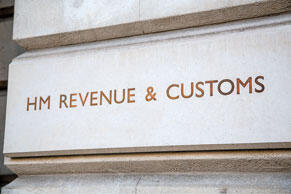
HMRC has acknowledged the ongoing pressure on taxpayers arising from the coronavirus pandemic and the knock-on effect it is having on self-assessment filing. It is estimated that over 5 million tax returns are due to be filed this month ahead of the 31 January deadline. To ease the pressure, HMRC has announced that no automatic penalty for a late return will be issued as long as the filing is made by 28 February. Additionally, no late payment penalty will apply if payment is made in full by 1 April (or the taxpayer agrees a payment plan before that date).
Care is needed where the taxpayer is self-employed - especially if 2020/21 is the first year of trading. Class 2 NI is collected via self-assessment but administered by a separate department. Late payment of the modest liability can put entitlement to certain welfare payments at risk. Taxpayers should contact HMRC to make a separate payment to avoid problems.
Related Topics
-
Ravanelli scores victory against HMRC over £340,000 NI dispute
Former footballer Fabrizio Ravanelli has won a High Court challenge against HMRC over £340,000 of NI paid as part of an employee benefit trust settlement. The judge found that HMRC had misunderstood the law when refusing to reconsider the settlement. Does this mean the former striker will get his money back?
-
Salary vs dividends: the employment allowance angle
When it comes to extracting profits from your company, you can’t go too far wrong with the old faithful: low salary topped up with dividends. But, if the employment allowance is available, might you be better off using it to the full extent?
-
Welsh landlords to face higher income tax rates from April
The Welsh Government has confirmed its intention to follow the UK's higher property income tax rates from April 2027, despite gaining the power to set its own rates. The decision, included in the draft Welsh Budget for 2027/28, means landlords in Wales won't escape the tax increases announced in October. How much extra could you pay?