HMRC says care industry VAT grouping is “tax avoidance”
HMRC is warning that setting up VAT groups in the care industry to reclaim VAT on what would otherwise be exempt supplies is tax avoidance. What’s the full story?
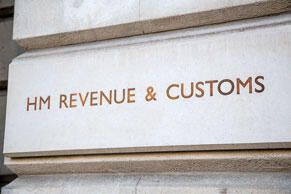
HMRC says that it considers the structuring of VAT groups within the care industry to gain a tax advantage to be tax avoidance. State-regulated care providers registered with the Care Quality Commission supplying welfare services are exempt from VAT. This means that VAT is not charged on the provision of care services to the Local Authority and consequently, VAT cannot be recovered on any costs associated with the supply of those services.
The structuring involves the insertion of a company that is not regulated, to form a VAT group and act as a “middleman” between the regulated company and the local authority. VAT is then charged by the new company and recovered on costs. While this may seem like a niche area, it is relatively common planning in practice.
HMRC is launching a programme to review all instances where this avoidance arrangement is in place. Further information can be found in Spotlight 70, which explains that any powers used will only take effect once the investigation is complete. This means that where this specific arrangement is in place HMRC will not seek to claim tax back from any earlier period. Users of such arrangements should seek independent professional advice in the first instance.
Related Topics
-
Ravanelli scores victory against HMRC over £340,000 NI dispute
Former footballer Fabrizio Ravanelli has won a High Court challenge against HMRC over £340,000 of NI paid as part of an employee benefit trust settlement. The judge found that HMRC had misunderstood the law when refusing to reconsider the settlement. Does this mean the former striker will get his money back?
-
Salary vs dividends: the employment allowance angle
When it comes to extracting profits from your company, you can’t go too far wrong with the old faithful: low salary topped up with dividends. But, if the employment allowance is available, might you be better off using it to the full extent?
-
Welsh landlords to face higher income tax rates from April
The Welsh Government has confirmed its intention to follow the UK's higher property income tax rates from April 2027, despite gaining the power to set its own rates. The decision, included in the draft Welsh Budget for 2027/28, means landlords in Wales won't escape the tax increases announced in October. How much extra could you pay?