HMRC services disrupted by strikes
You may experience difficulty or severe delays contacting HMRC’s helplines over the next few weeks, with several strikes planned. What are the scheduled dates, and how else might you resolve queries?
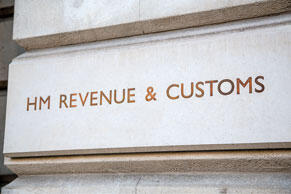
HMRC helplines are already under huge pressure. One of the most common complaints is the long wait times experienced, which can increase costs and eat into time that could be better spent elsewhere in your business. Unfortunately, the next three weeks are set to be significantly worse, as strike action will mean over 400 workers walk out in disputes over pay, job security and pensions. This is likely to affect you if you need to contact HMRC about self-assessment, PAYE, NI, or the construction industry scheme. The strike dates are:
- May – 15, 16, 17, 18, 19, 22, 23, 24, 25, 26, 29, 30, 31
- June – 1, 2
Try to contact HMRC now if you have a genuinely urgent query. Remember that a lot of information can be obtained via your personal tax or business tax account. If you have an accountant or tax advisor, they may be able to help with any technical queries. Otherwise, HMRC has a number of other methods of contact that can help.
Related Topics
-
Ravanelli scores victory against HMRC over £340,000 NI dispute
Former footballer Fabrizio Ravanelli has won a High Court challenge against HMRC over £340,000 of NI paid as part of an employee benefit trust settlement. The judge found that HMRC had misunderstood the law when refusing to reconsider the settlement. Does this mean the former striker will get his money back?
-
Salary vs dividends: the employment allowance angle
When it comes to extracting profits from your company, you can’t go too far wrong with the old faithful: low salary topped up with dividends. But, if the employment allowance is available, might you be better off using it to the full extent?
-
Welsh landlords to face higher income tax rates from April
The Welsh Government has confirmed its intention to follow the UK's higher property income tax rates from April 2027, despite gaining the power to set its own rates. The decision, included in the draft Welsh Budget for 2027/28, means landlords in Wales won't escape the tax increases announced in October. How much extra could you pay?