HMRC to raid bank accounts for unpaid tax
HMRC is restarting the use of direct debt recovery for individuals and businesses who choose not to pay the tax they owe despite having the means to do so. Who’s in the firing line?
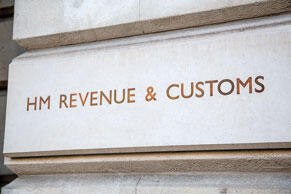
Direct debt recovery (DRD) is nothing new, though its use was paused during the pandemic. It is now being relaunched to recover debts over £1,000, subject to various safeguarding rules. For example, it can only be used where the debtor has received a face-to-face visit from HMRC agents (having ignored previous correspondence), has not been identified as vulnerable, has sufficient money in the bank and still refuses to pay their debts.
Given the strict criteria it is expected that HMRC will use these powers sparingly, as it did prior to the pandemic. If you’re struggling to pay your tax bill, contact HMRC as soon as possible to ask about setting up a payment plan.
Related Topics
-
Ravanelli scores victory against HMRC over £340,000 NI dispute
Former footballer Fabrizio Ravanelli has won a High Court challenge against HMRC over £340,000 of NI paid as part of an employee benefit trust settlement. The judge found that HMRC had misunderstood the law when refusing to reconsider the settlement. Does this mean the former striker will get his money back?
-
Salary vs dividends: the employment allowance angle
When it comes to extracting profits from your company, you can’t go too far wrong with the old faithful: low salary topped up with dividends. But, if the employment allowance is available, might you be better off using it to the full extent?
-
Welsh landlords to face higher income tax rates from April
The Welsh Government has confirmed its intention to follow the UK's higher property income tax rates from April 2027, despite gaining the power to set its own rates. The decision, included in the draft Welsh Budget for 2027/28, means landlords in Wales won't escape the tax increases announced in October. How much extra could you pay?