Paying tax without a reference number
HMRC’s administration is suffering significant backlogs, including the issuing of new unique taxpayer reference (UTR) numbers. As the payment deadline for 2021 is fast approaching, how can a payment be made if the UTR hasn’t been issued?
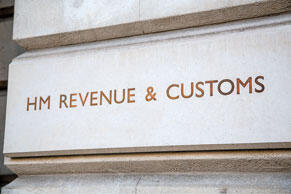
The pandemic meant that many of HMRC’s staff were reallocated, which has had a knock-on effect on various departments. One area that has been affected is the processing of the SA1 form, meaning that many taxpayers are struggling to obtain a unique taxpayer reference (UTR) number, which is required to submit the tax return and to make the payment of tax. The UTR is used as the reference for the payment of the tax liability, and is used by HMRC to match the payment to the correct taxpayer.
However, it seems inevitable that some taxpayers will not receive their UTR by 31 January 2022. If that includes you, to avoid any problems you should generate a payslip online using your NI number instead of a UTR. You will then need to send this by post with a cheque payment. The cheque should also have the NI number on the reverse. This will allow HMRC to match the payment to the account and negate any possible late payment penalty.
Related Topics
-
Ravanelli scores victory against HMRC over £340,000 NI dispute
Former footballer Fabrizio Ravanelli has won a High Court challenge against HMRC over £340,000 of NI paid as part of an employee benefit trust settlement. The judge found that HMRC had misunderstood the law when refusing to reconsider the settlement. Does this mean the former striker will get his money back?
-
Salary vs dividends: the employment allowance angle
When it comes to extracting profits from your company, you can’t go too far wrong with the old faithful: low salary topped up with dividends. But, if the employment allowance is available, might you be better off using it to the full extent?
-
Welsh landlords to face higher income tax rates from April
The Welsh Government has confirmed its intention to follow the UK's higher property income tax rates from April 2027, despite gaining the power to set its own rates. The decision, included in the draft Welsh Budget for 2027/28, means landlords in Wales won't escape the tax increases announced in October. How much extra could you pay?